Attachment Therapy for Adults in California
Create More Secure Relationships by Understanding Yourself More Deeply

Frequently Asked Questions About Attachment Therapy
I’m Zoe Spears, a licensed marriage and family therapist in California offering virtual therapy for adults and young adults who want to heal relational wounds and build secure, connected lives. Through an attachment-focused, psychodynamic approach, I help you understand your emotional world, create healthier boundaries, and break out of patterns that keep you stuck. believe the most important part of therapy is finding a therapist who feels like a good fit for YOU, which is why I offer a free 10 min consultation as a risk-free way to see how you feel before committing to the process.
What Is Attachment-Focused Therapy?
Attachment-Focused Therapy is grounded in the idea that our earliest relationships impact how we regulate emotions, connect with others, and experience safety or vulnerability, like a blueprint for the foundation. This approach is especially helpful for those who:
Struggle with anxiety, emotional overwhelm, obsessive doubt, or distress within their relationships
Feel distant from others or become overly dependent on them for reassurance
Experience a fear of abandonment or avoid conflict to keep the peace
Find themselves understanding their patterns intellectually but still feeling stuck emotionally
Take on the emotions, needs, or responsibilities of others at the expense of their own well-being
This is a space to explore your emotional history with compassion instead of judgment and make room for new ways of relating.
How I Work: Relational, Compassionate, Insight-Oriented
My work is rooted in attachment theory, psychodynamic exploration, and a warm, attuned therapeutic relationship. I believe change happens when we feel safe enough to reflect deeply, be curious about our inner world, and experience something new in the present moment.
In therapy, we might:
Explore how your childhood shaped your emotional responses
Identify triggers in current relationships
Understand anxious, avoidant, or disorganized attachment patterns
Work through obsessive relationship doubts (ROCD) with compassion and clarity
Strengthen your sense of self and emotional regulation
Develop more secure, satisfying connections with others
Each session is tailored to your pace. Some clients need space to reflect quietly; others process through story, emotion, or relational insight. I meet you where you are.
Who Attachment Therapy Is For
Adults healing from emotionally unavailable, critical, neglectful, or chaotic family dynamics that continue to impact self-esteem, boundaries, and relationships.
College students and young adults navigating identity, dating, friendships, family pressure, and the transition into adulthood.
Individuals experiencing obsessive thoughts and intrusive doubts, reassurance-seeking, overthinking compatibility, and anxiety within romantic relationships.
Adults who find themselves repeating the same painful relationship patterns, such as overthinking, people-pleasing, fearing abandonment, struggling to trust, feeling emotionally disconnected, or becoming attached to unavailable partners.
High-achieving professionals struggling with hidden anxiety, perfectionism, burnout, imposter syndrome, or self-worth tied to achievement and productivity.
Begin Building a Secure Foundation
When we understand where our patterns come from, we can begin to loosen their grip. Attachment therapy offers a path toward clarity, compassion, and emotional resilience.
Do you feel anxious when your partner pulls away? Do you fear abandonment, struggle to trust, or find yourself repeatedly choosing emotionally unavailable partners?
Sometimes the roots of relationship anxiety or emotional overwhelm go deeper than what's happening in the present. Attachment therapy, also known as attachment-focused therapy, explores how early relationships influence the way you connect with yourself and others today. Together, we'll work to understand the patterns that no longer serve you so you can build more secure relationships, strengthen self-trust, and respond to life's challenges with greater confidence.
Meet Your Attachment Therapist
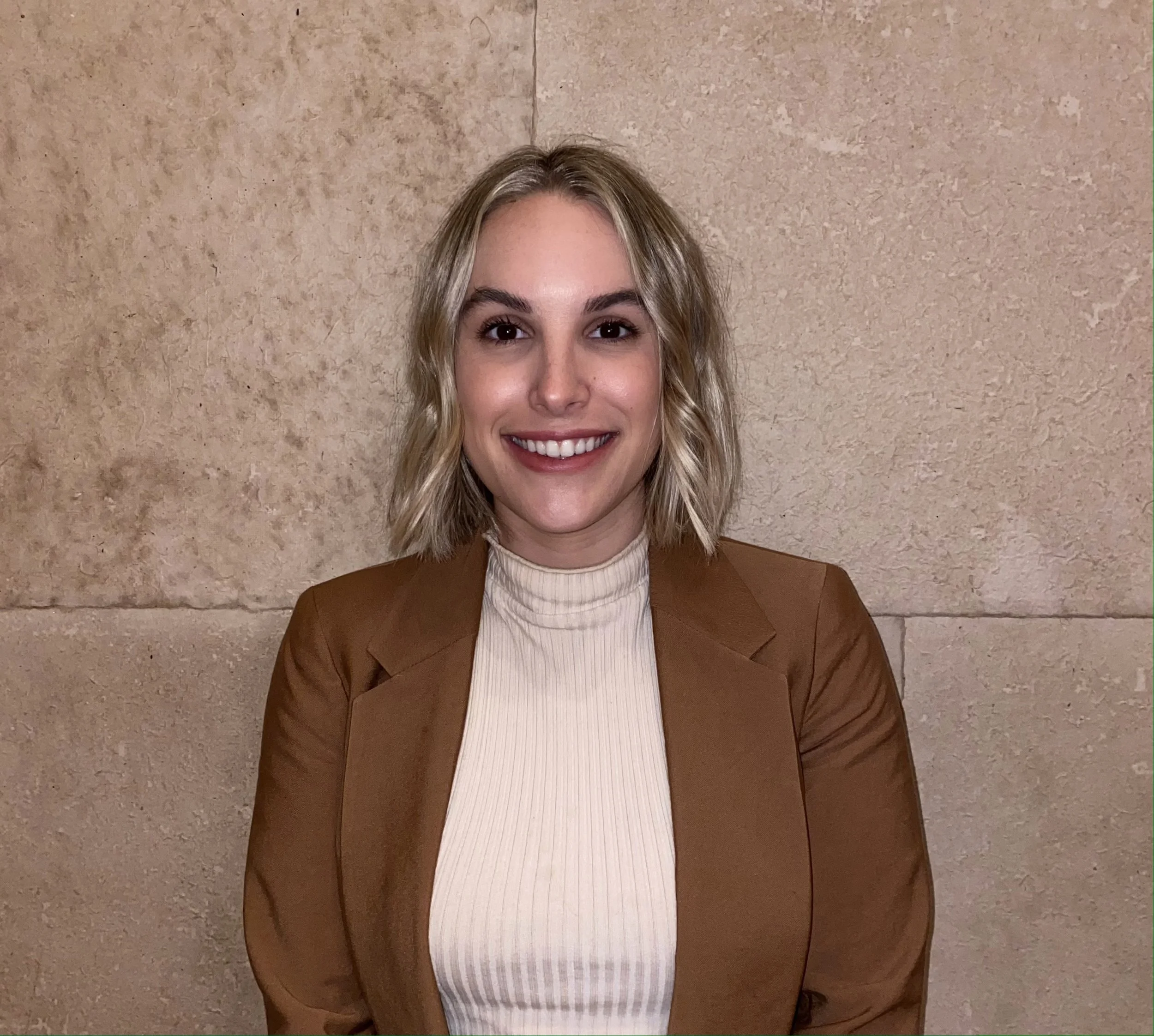
Licensed Marriage & Family Therapist (LMFT) providing virtual therapy throughout California
Attachment and psychodynamic approach that helps uncover the deeper patterns shaping your relationships
Experienced in helping adults heal attachment wounds, relationship anxiety, perfectionism, people-pleasing, family of origin concerns, depression, and complex trauma.
Helps clients develop more secure attachment, healthier relationships, and greater self-trust by healing the patterns beneath emotional reactivity, conflict, and fear of abandonment.
LGBTQIA+ affirming, HAES-aligned, and committed to providing a compassionate, nonjudgmental space
-
Healing your attachment style begins with understanding the relationship patterns and early experiences that shaped how you connect with yourself and others. Attachment therapy helps you identify insecure attachment patterns, develop greater self-awareness, strengthen emotional regulation, and build more secure, fulfilling relationships. Over time, these new experiences can help you cultivate a more secure attachment style and greater self-trust.
-
An unhealthy attachment refers to insecure attachment patterns that make it difficult to feel safe, secure, or connected in relationships. This may look like fear of abandonment, difficulty trusting others, people-pleasing, emotional withdrawal, or repeatedly choosing emotionally unavailable partners. Attachment therapy helps you understand the origins of these patterns and develop a more secure attachment, leading to healthier relationships and greater self-trust.
-
Sessions typically include exploring relational patterns, identifying emotional triggers, understanding protective responses, and practicing new ways of responding with curiosity and self compassion. Rather than only talking about problems, we focus on building insight while creating experiences of emotional safety and connection within the therapeutic relationship.
-
While the term "attachment trauma" is commonly used, the four categories actually refer to attachment styles: secure, anxious, avoidant, and disorganized (fearful-avoidant). These attachment patterns often develop through early relationships and can influence how you experience trust, intimacy, conflict, and emotional safety throughout adulthood. Attachment therapy can help you understand and heal insecure attachment patterns so you can build more secure relationships and greater self-trust.
-
Through our intake and follow up appointments we will explore the relationship issues you are struggling with and how you respond to them to determine your attachment patterns.
-
My approach often integrates attachment-focused exploration, Internal Family Systems parts work, mindfulness based regulation, and relational exercises that strengthen emotional awareness and secure communication. The pace is collaborative and tailored to each person’s capacity and goals.
-
Absolutely! Attachment patterns are not set in stone and it is possible for anyone with an insecure attachment to develop a secure attachment style through this approach.
-
Once we discuss your attachment style and patterns we will discuss strategies you can implement in real time to work towards a more secure attachment style. While insight is the first step, I believe it is important to discuss tools you can use to make lasting changes in your relationships.
-
Attachment issues often develop from early relationships with caregivers when a child's emotional needs for safety, consistency, or connection were not consistently met. These experiences can contribute to insecure attachment patterns, affecting how someone experiences trust, intimacy, conflict, and emotional regulation in adulthood. Attachment therapy helps you understand these patterns with compassion, heal attachment wounds, and develop more secure relationships and greater self-trust.