Even strong relationships can feel strained when old emotional patterns start running the show. You may notice the same arguments repeating, one of you shutting down while the other pushes harder, or a growing distance that leaves you feeling more like roommates than partners.
For many couples, these moments are not just about communication. They are connected to deeper attachment needs, early relational experiences, and protective patterns learned long before this relationship began.
Whether you are navigating betrayal, feeling emotionally disconnected, or struggling to feel understood by your partner, couples therapy can help you slow down, understand what is happening beneath the surface, and begin rebuilding connection in a more secure way.
If you're specifically looking for marriage counseling, visit my Marriage Counseling page.
Meet Your Gottman-Informed Couples Therapist
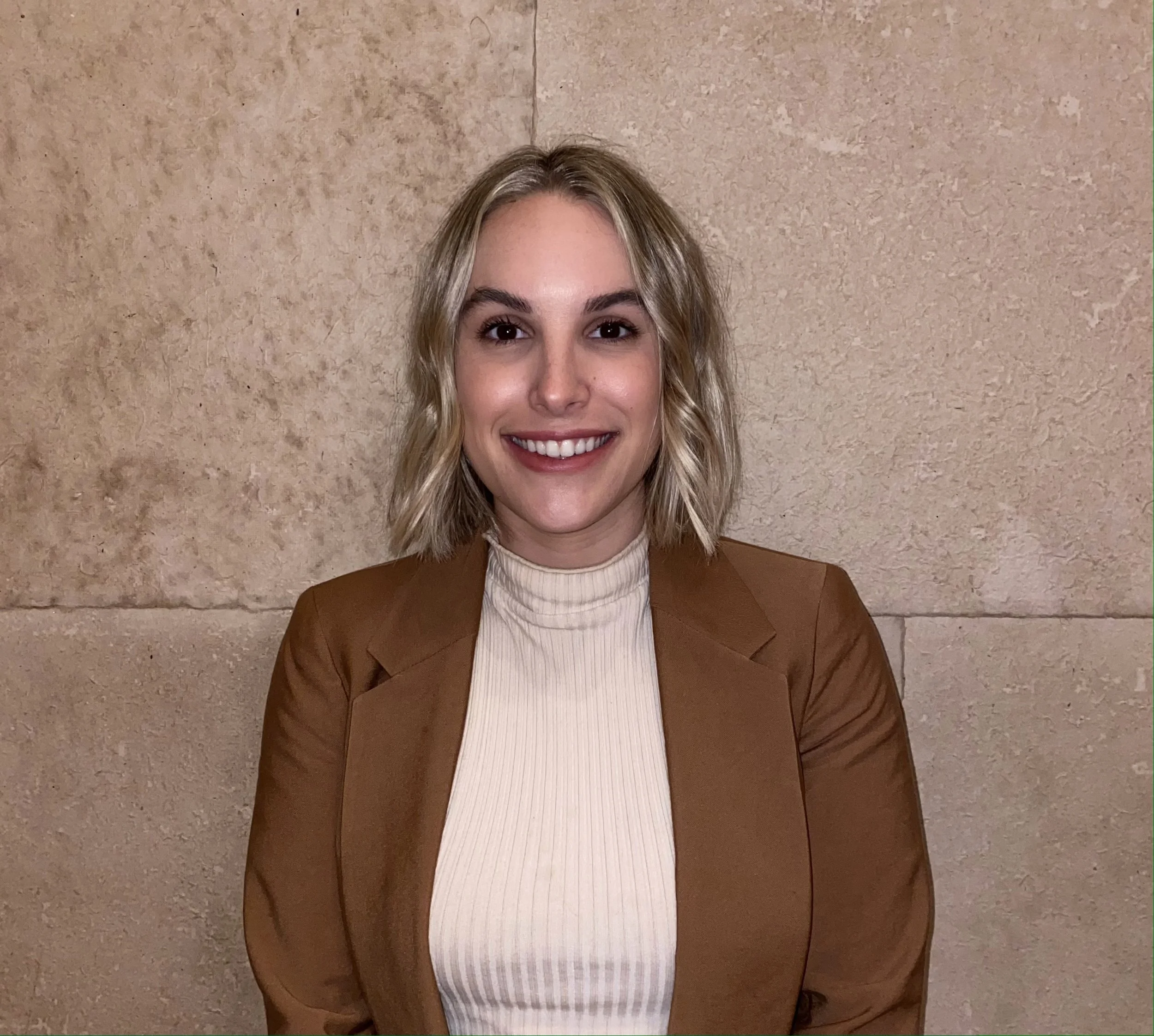
I’m Zoe Spears, a Licensed Marriage and Family Therapist based in Sawtelle in Los Angeles, offering Gottman-informed online couples therapy across California. I work with couples who feel caught in painful cycles that leave them feeling gridlocked, overwhelmed and drained and help you to find your way out.
My role is to help you understand the emotional meaning underneath conflict so you can feel regulated and secure in your relationships and move from blame and defensiveness toward curiosity, repair and deeper connection. I believe the most important part of therapy is finding a therapist who feels like a good fit for YOU, which is why I offer a free 10 min consultation as a risk-free way to see how you feel before committing to the process.
Signs It Might Be Time for Couples Therapy
Couples often reach out when they feel stuck in:
Arguments that escalate quickly or never feel resolved and are constantly repeating
Emotional distance, loneliness, or lack of intimacy
Feeling triggered in ways that seem bigger than the situation itself
Trust ruptures or infidelity that feels hard to move through
A sense of “we’ve grown apart”
Life transitions, such as parenting, career changes, or moving that increase stress or disconnection
Fear of conflict that leads to silence and avoidance
A sense that childhood experiences or past relationships are affecting how you relate now
You do not have to wait until things feel unfixable. Therapy can be a proactive space to understand each other more deeply and build a more secure emotional foundation.
Gottman Method Couples Therapy in Los Angeles & Across California
What to Expect in Couples Therapy
We begin with a collaborative assessment process to understand your relationship history, current challenges, and individual attachment patterns.
From there, sessions may include:
Slowing down conflict to understand underlying attachment needs
Emotionally safe dialogue using Gottman-informed structure
Identifying recurring relational cycles and triggers
Repair strategies that rebuild emotional safety
Exercises inspired by the Gottman Sound Relationship House
Support for healing trust after infidelity or betrayal
Guidance in reconnecting emotionally and physically at a pace that feels sustainable
The goal is not to eliminate conflict but to help you feel more secure, understood, and emotionally connected even when hard conversations arise.
Frequently Asked Questions About Gottman Method Couples Therapy

-
The Gottman method is an evidence-based effective approach when working with couples backed by years of research on what makes relationships last. Through this approach you will be learning concrete applicable tools that you can start implementing immediately for lasting changes in your relationship.
-
You can expect a structured yet collaborative process that may include relationship assessments, identifying communication patterns, learning conflict management tools, and strengthening emotional connection. Sessions focus on both insight and practical skills so you can practice new ways of relating to each other in real time.
-
The Seven Principles for Making Marriage Work include: building love maps, nurturing fondness and admiration, turning toward instead of away, accepting influence, solving solvable problems, managing gridlocked conflict, and creating shared meaning. Together, these principles strengthen emotional safety and long term connection.
-
Often called the Four Horsemen, these include criticism, defensiveness, contempt, and shutting down or withdrawing. These patterns can erode emotional safety over time, but therapy focuses on helping couples recognize and replace them with healthier communication and repair strategies.
-
Couples therapy after betrayal often moves through stages of stabilization, understanding the impact of the rupture, and rebuilding trust at a pace that feels emotionally safe. Therapy provides structure for difficult conversations, supports accountability, and helps partners explore underlying relational patterns while working toward repair.
-
Many couples start therapy at a breaking point in the relationship and may not be sure if they even want to continue. Part of the process of couples therapy is to explore what is keeping you in the relationship and what is causing you to consider separation if things don’t change so that we can address these together and you can get greater clarity on your goals of therapy.
-
No, both partners do not need to be in the same physical space for virtual sessions. However, I highly recommend being together in the same location, particularly when beginning couples therapy. Our work may include active exercises and interactive interventions that can be more effective when both partners are physically present. Being in the same space also allows us to engage more fully in the therapeutic process and practice new skills together in real time.
If you are unable to be in the same physical space, I generally do not recommend beginning couples therapy virtually. Starting together allows us to establish a strong therapeutic foundation and practice new communication and connection skills as a couple. Once we have established this foundation, there may be more flexibility for occasional sessions from separate locations when appropriate.