Marriage Counseling in Los Angeles, CA
Helping Couples Understand the Emotional Patterns Beneath Conflict
Many couples come to therapy believing they have a communication problem. While communication is certainly part of the picture, it is often not the root issue.
The arguments that keep repeating are usually driven by something deeper. One partner may withdraw because criticism feels overwhelming. Another may become anxious or pursue reassurance because distance feels frightening. Small moments can quickly become emotionally charged, leaving both partners feeling misunderstood, disconnected, and unsure how a simple conversation escalated so quickly.
Marriage counseling provides a space to slow these moments down, understand what is happening beneath the surface, and create lasting changes in how you relate to one another.
At Connected Therapy of California, I provide virtual marriage counseling for couples throughout California, including Los Angeles, Sawtelle, Santa Monica, Brentwood, Culver City, West Los Angeles, and surrounding communities.
Interested in learning more about the Gottman Method? Explore my Gottman Couples Therapy approach to learn how I incorporate this research-backed framework to help married and non-married couples improve communication, rebuild trust, and strengthen their emotional connection, along with attachment-focused work to help couples create meaningful, lasting change.
Meet Your Marriage Counselor
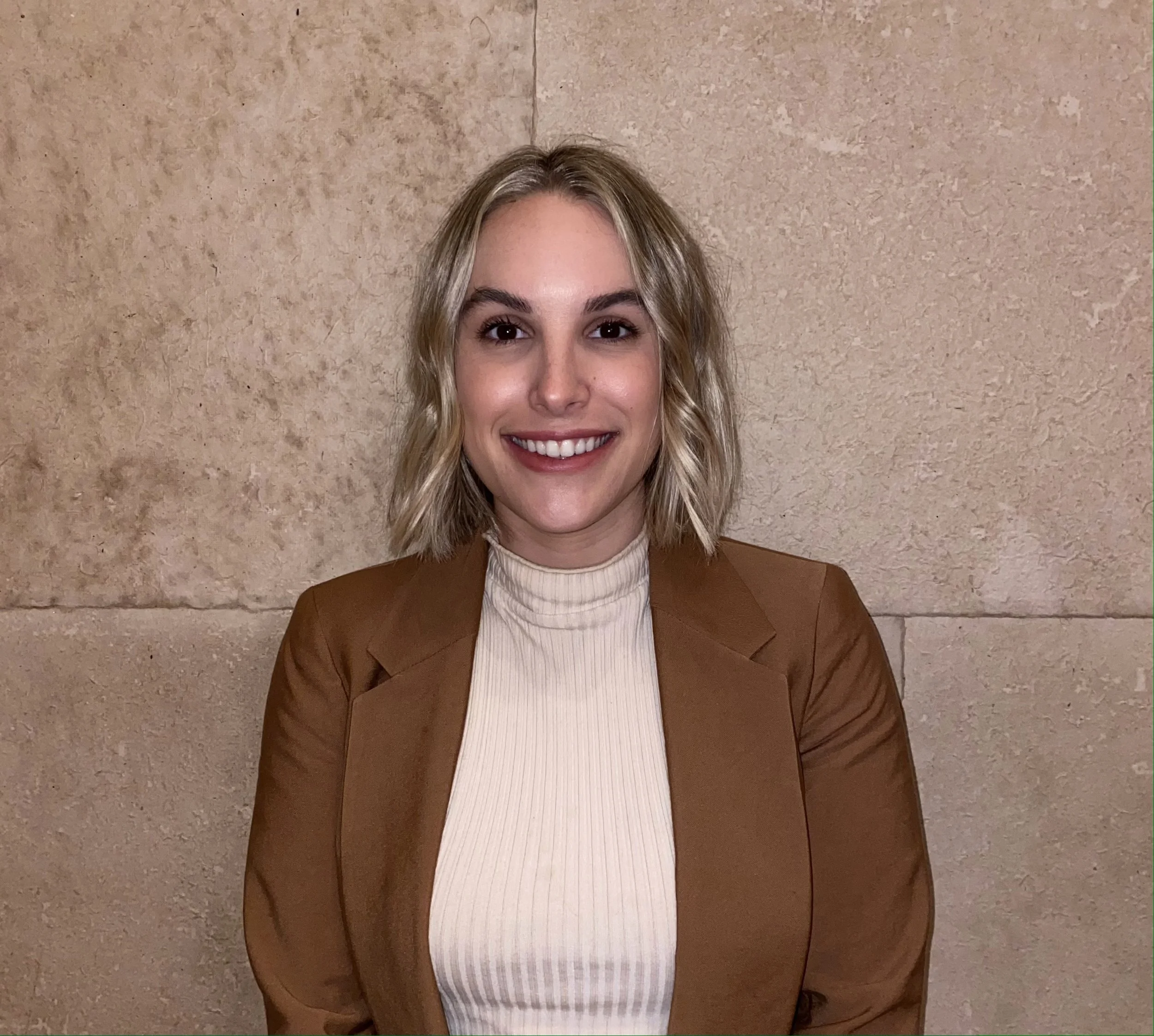
Licensed Marriage and Family Therapist (LMFT)
Advanced training in the Gottman Method and a background in attachment therapy.
Specializes in helping couples improve communication, rebuild trust, strengthen emotional connection, navigate conflict more effectively and become more secure in your attachment with one another.
Integrates evidence-based approaches, including Gottman Method, Attachment-Focused Therapy and Internal Family Systems (IFS) to create meaningful and lasting change.
Provides compassionate, personalized care for couples across California through secure virtual therapy.
You May Benefit From Marriage Counseling If...
You don't necessarily have explosive fights every day. Instead, you may recognize patterns like these:
Small disagreements quickly turn into arguments that feel much bigger than the original issue.
You or your partner shuts down, becomes defensive, or withdraws during conflict.
You notice yourself having strong emotional reactions to your partner but aren't always sure why.
You take your partner's words personally, even when you know they may not have intended them that way.
You feel anxious when your partner seems distant or doesn't respond the way you expected.
You find yourself walking on eggshells because conflict feels emotionally overwhelming.
The same conversations happen over and over without reaching a resolution.
You love one another but feel emotionally disconnected.
You both genuinely want the relationship to improve but don't know how to break the cycle you're stuck in.
These patterns often aren't about the topic you're arguing over. More often, they're protective responses shaped by each person's life experiences, attachment history, and emotional needs.
My Approach to Marriage Counseling
I believe lasting change happens when couples understand not only what they are arguing about, but why those moments feel so emotionally significant.
Rather than focusing solely on solving the immediate disagreement, we explore what is happening underneath the conflict. Together, we'll identify the emotional triggers, attachment patterns, and protective strategies that influence how each of you responds when you feel hurt, misunderstood, rejected, or disconnected.
For example, you might discover that criticism causes one partner to shut down because conflict has never felt emotionally safe. Or perhaps one partner becomes increasingly anxious when communication changes because distance has historically felt unpredictable or painful. Once these patterns become clearer, they often begin to make much more sense.
When couples understand the deeper meaning behind their reactions, they're often able to approach one another with greater curiosity, compassion, and emotional safety. From there, we can begin creating new ways of relating that strengthen trust, intimacy, and connection.

An Evidence-Based Approach That Goes Beyond Communication Skills
Many couples seek marriage counseling because they want an evidence-based approach that has been shown to improve relationships. That's one of the reasons I integrate principles from the Gottman Method, one of the most well-researched approaches to couples therapy.
The Gottman Method offers practical tools for improving communication, navigating conflict, rebuilding trust, and strengthening friendship within a relationship. These interventions help couples interrupt negative interaction patterns and develop healthier ways of connecting.
At the same time, I've found that lasting change often requires understanding why those patterns developed in the first place.
For example, learning how to approach conflict more gently is incredibly valuable. But if criticism consistently causes you to shut down because it activates a deeper fear of rejection, communication strategies alone may not feel like enough. Likewise, if your partner becomes highly anxious when you need space, it can be helpful to understand the attachment experiences influencing that reaction instead of simply trying to change the behavior.
My approach combines the research-backed tools of the Gottman Method combined with attachment-focused, Internal Family Systems (IFS) and psychodynamic therapy. Together, we'll build practical relationship skills while also exploring the deeper emotional patterns that help those changes last.

Marriage Counseling Is About More Than Solving Today's Problem
Many couples come to therapy wanting to stop fighting. While that's an important goal, my hope is that you'll leave with something even more meaningful.
I want you to understand yourselves and each other in a way that transforms how you navigate conflict moving forward.
Instead of wondering, "Why does this keep happening?" you'll begin to recognize the emotional patterns that have been shaping your relationship. You'll learn how to respond to one another with greater understanding rather than reacting automatically from hurt, fear, or defensiveness.
As emotional safety grows, many couples notice that communication becomes easier, intimacy deepens, and conflict feels less threatening because they understand what is happening beneath the surface.
Common Reasons Couples Seek Marriage Counseling
Couples seek marriage counseling for many reasons, including:
Ongoing communication problems
Frequent arguments or recurring conflict
Feeling emotionally disconnected
Rebuilding trust after infidelity or betrayal
Navigating major life transitions
Parenting disagreements
Differences in emotional needs
Stress related to work, family, or finances
Loss of intimacy
Strengthening an already healthy marriage
Whether you're feeling stuck in recurring patterns or simply want to build a stronger relationship, therapy can help you better understand yourselves and one another.
Virtual Marriage Counseling Throughout California
I provide secure virtual marriage counseling for couples across California, making it easier to prioritize your relationship without adding another commute to your schedule.
Online therapy allows couples to attend sessions together from the comfort of home while still receiving thoughtful, personalized care.
Frequently Asked Questions About Marriage Counseling
-
The terms are often used interchangeably. Marriage counseling specifically refers to therapy for married couples, while couples therapy may include dating, engaged, or long-term unmarried partners. My therapeutic approach remains the same. I help couples understand the emotional patterns underneath conflict so they can create healthier, more secure relationships.
-
Yes. The Gottman Method is one of the most extensively researched approaches to couples therapy and is supported by decades of relationship research. I incorporate Gottman interventions alongside attachment-based, psychodynamic, and Internal Family Systems (IFS) approaches to provide both practical tools and deeper insight into the patterns affecting your relationship.
-
Every couple is different. Some couples come to therapy to address a specific concern over several months, while others choose longer-term work to create deeper and more lasting changes in their relationship.
-
Yes. I provide virtual marriage counseling for couples throughout Los Angeles and across California, including Sawtelle, Santa Monica, Brentwood, Culver City, West Los Angeles, and surrounding communities.
-
No, both partners do not need to be in the same physical space for virtual sessions. However, I highly recommend being together in the same location, particularly when beginning couples therapy. Our work may include active exercises and interactive interventions that can be more effective when both partners are physically present. Being in the same space also allows us to engage more fully in the therapeutic process and practice new skills together in real time.
If you are unable to be in the same physical space, I generally do not recommend beginning couples therapy virtually. Starting together allows us to establish a strong therapeutic foundation and practice new communication and connection skills as a couple. Once we have established this foundation, there may be more flexibility for occasional sessions from separate locations when appropriate. -
While no therapist can guarantee a specific outcome, marriage counseling is supported by a strong body of research. The Gottman Method, one of the approaches I incorporate into my work, is based on decades of relationship research. Drs. John and Julie Gottman's studies found that certain interaction patterns can predict relationship stability in research settings. More importantly, their research identified the habits that strengthen relationships and the behaviors that place them at greater risk. In therapy, we'll use these evidence-based tools while also exploring the deeper attachment patterns and emotional experiences driving conflict, helping you create changes that are both practical and lasting.
-
Rather than focusing on a specific timeline, I encourage couples to consider whether both partners are willing to explore not only what is happening in the relationship, but also why. Lasting change often requires more than learning new communication skills. It involves understanding the emotional patterns, attachment needs, and protective responses that continue to fuel conflict and disconnection.
-
Contempt is one of the Four Horsemen, a term coined by Drs. John and Julie Gottman to describe four communication patterns that can significantly erode relationship satisfaction over time. The good news is that these patterns are not permanent. In our work together, we'll identify whether any of the Four Horsemen are showing up in your relationship and use evidence-based Gottman interventions to replace them with healthier communication patterns that foster greater understanding, trust, and emotional connection. We'll also look beneath the surface to understand the emotional triggers and attachment patterns driving these interactions, creating changes that strengthen both communication and emotional intimacy.
-
There isn't a single sign that a marriage is over. Many couples experience periods of conflict, emotional distance, or uncertainty, and these challenges don't necessarily mean the relationship can't improve. Often, the more important question is whether both partners are willing to understand the patterns contributing to the disconnection and work toward change. Marriage counseling can help you gain clarity by identifying the underlying emotional and relational patterns, allowing you to make thoughtful decisions about the future of your relationship rather than reacting from a place of hurt or frustration.