When Does Anxiety Stop Being Situational and Start Becoming a Disorder?
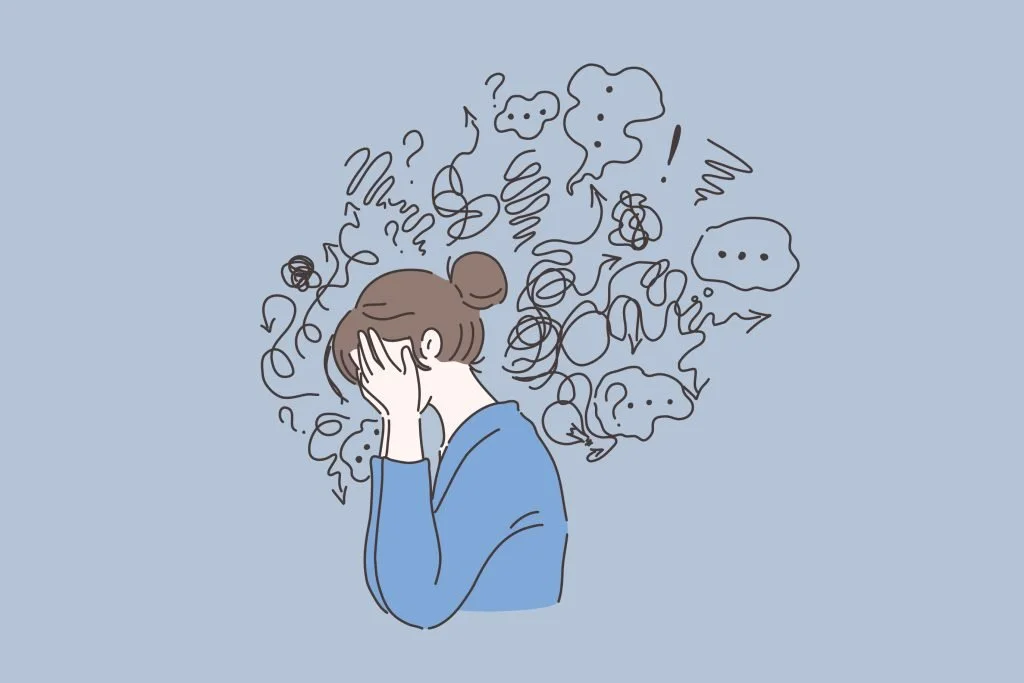
Anxiety is a normal part of being human. Most of us experience it during stressful seasons of life such as job transitions, relationship challenges, academic pressure, health concerns, or major life changes. In these moments, anxiety tends to rise in response to circumstances and then slowly settle once the stressor passes.
For others, however, anxiety does not fade when the situation resolves. Instead, it lingers, intensifies, and begins to affect nearly every area of life. This is often when situational anxiety begins to cross into something more chronic, such as generalized anxiety disorder.
One of the clearest indicators that anxiety may be developing into a disorder is not simply its presence, but its intensity, consistency, and impact on daily functioning. Individuals with generalized anxiety often report feeling a constant baseline of anxiety that fluctuates from low to high throughout the day and causes significant emotional distress, physical discomfort, and disruption to relationships, work, and self care.
Common Early Warning Signs of an Anxiety Disorder
Anxiety tends to show up across emotional, cognitive, and physical systems. When several of the following patterns persist for weeks or months, they may be early indicators that anxiety has become more than situational.
Excessive Worrying
This often looks like persistent mental looping, catastrophic thinking, or difficulty controlling worry even when there is no immediate threat. The mind remains preoccupied with potential problems, future scenarios, and what ifs.
Irritability or Mood Changes
Chronic anxiety places the nervous system in a constant state of activation. Over time this can reduce emotional tolerance, leading to increased irritability, agitation, tearfulness, or emotional reactivity.
Sleep Difficulties
Difficulty falling asleep, staying asleep, frequent waking, or waking with a sense of dread are common. When the nervous system remains activated, the body struggles to shift into restorative states.
Difficulty Concentrating
Anxiety consumes cognitive resources. Many people notice brain fog, difficulty sustaining attention, forgetfulness, or feeling mentally overwhelmed by tasks that previously felt manageable.
Restlessness or Feeling On Edge
This may show up as an inability to relax, constant tension in the body, pacing, fidgeting, or a persistent internal sense of unease even without a clear trigger.
Intense Fatigue
Living in a prolonged state of hypervigilance is exhausting. Many people with anxiety feel deeply fatigued even when they are getting sufficient sleep.
Physical Symptoms
Anxiety frequently manifests in the body. Common symptoms include gastrointestinal distress, headaches, muscle tension, jaw clenching, chest tightness, and unexplained aches or pains.
Avoidant Behaviors
When anxiety becomes overwhelming, people often begin to avoid the situations that trigger it. This may include social gatherings, leaving the house, driving, work meetings, or difficult conversations. While avoidance can bring temporary relief, it strengthens anxiety over time.
Excessive Screen Time as a Coping Strategy
Many people turn to scrolling, binge watching, or constant digital stimulation as a way to numb anxious feelings. While understandable, this can further disregulate the nervous system and interfere with emotional processing and sleep.
Less Common and Often Overlooked Signs
Some individuals experience more subtle or unexpected symptoms as anxiety progresses. These may include memory difficulties, dissociation or feeling detached from oneself or reality, emotional numbness, or heightened sensitivity to light, sound, other people’s energy, or emotional environments.
Ultimately, one of the most important indicators is the degree to which anxiety interferes with your life. If anxiety is making it difficult to work, concentrate, maintain relationships, attend school, care for yourself, or manage daily responsibilities, it is no longer simply situational.
When to Seek Professional Support
If you notice that anxiety is persistent, escalating, or limiting your ability to live fully, it is appropriate and often very helpful to seek professional support. Early intervention can prevent anxiety from becoming more entrenched and can significantly improve quality of life.
In addition to cognitive behavioral and somatic approaches, many people benefit deeply from Internal Family Systems and Attachment Based Therapy. These models help individuals understand the parts of themselves that carry anxiety, fear, and hypervigilance, often rooted in earlier relational experiences. Through this work, clients learn to approach these parts with curiosity and compassion rather than judgment, allowing long held patterns of protection, people pleasing, fawning, or emotional shutdown to soften over time. Attachment based therapy further supports healing by addressing how early relationships shape our sense of safety, self worth, and connection. When relational wounds are explored in a consistent, attuned therapeutic relationship, the nervous system begins to experience new patterns of security and trust, which naturally reduces anxiety and supports long term emotional regulation.
With the right support, anxiety is highly treatable. Healing does not mean eliminating anxiety altogether, but learning how to relate to it differently, regulate your nervous system, and move through life with greater steadiness, clarity, and self trust.
If you recognize yourself in any of these patterns, you are not alone and you do not have to manage this on your own. I offer therapy for adults and young adults navigating anxiety, burnout, relational trauma, people pleasing, and perfectionism. My work is grounded in attachment based, psychodynamic, and trauma informed approaches, with an emphasis on helping you feel safer in your body, more connected to yourself, and more secure in your relationships.
I currently offer virtual therapy throughout California and would be honored to support you in your healing process. If you are ready to explore what life could feel like with less anxiety and more emotional steadiness, you are welcome to reach out to schedule a consultation here.